

Krakow
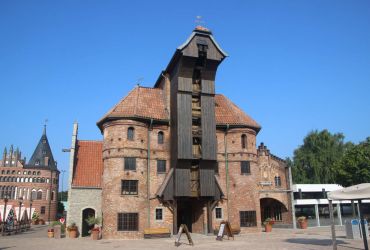
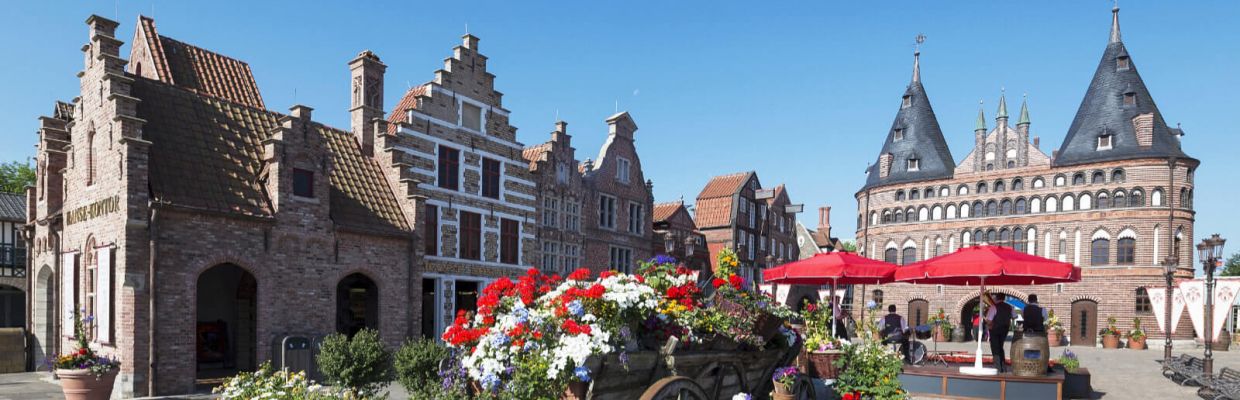
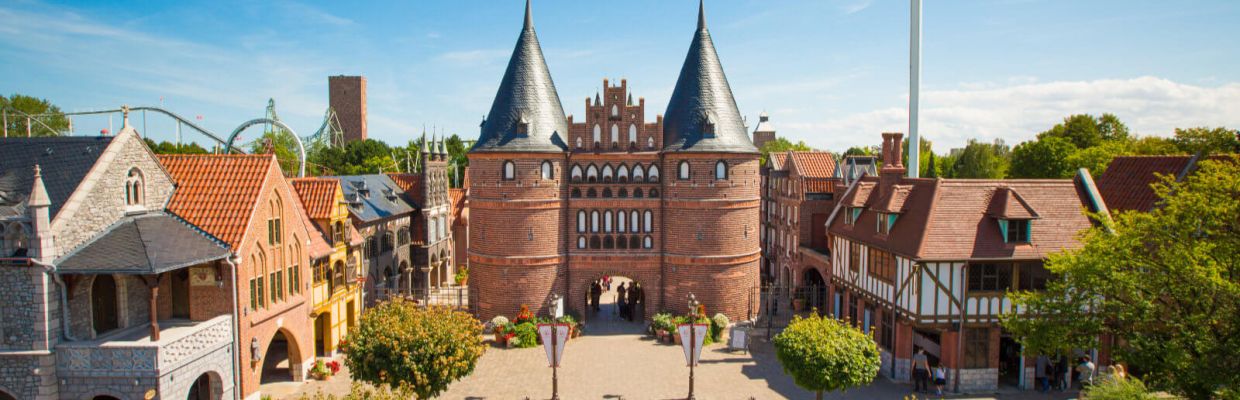
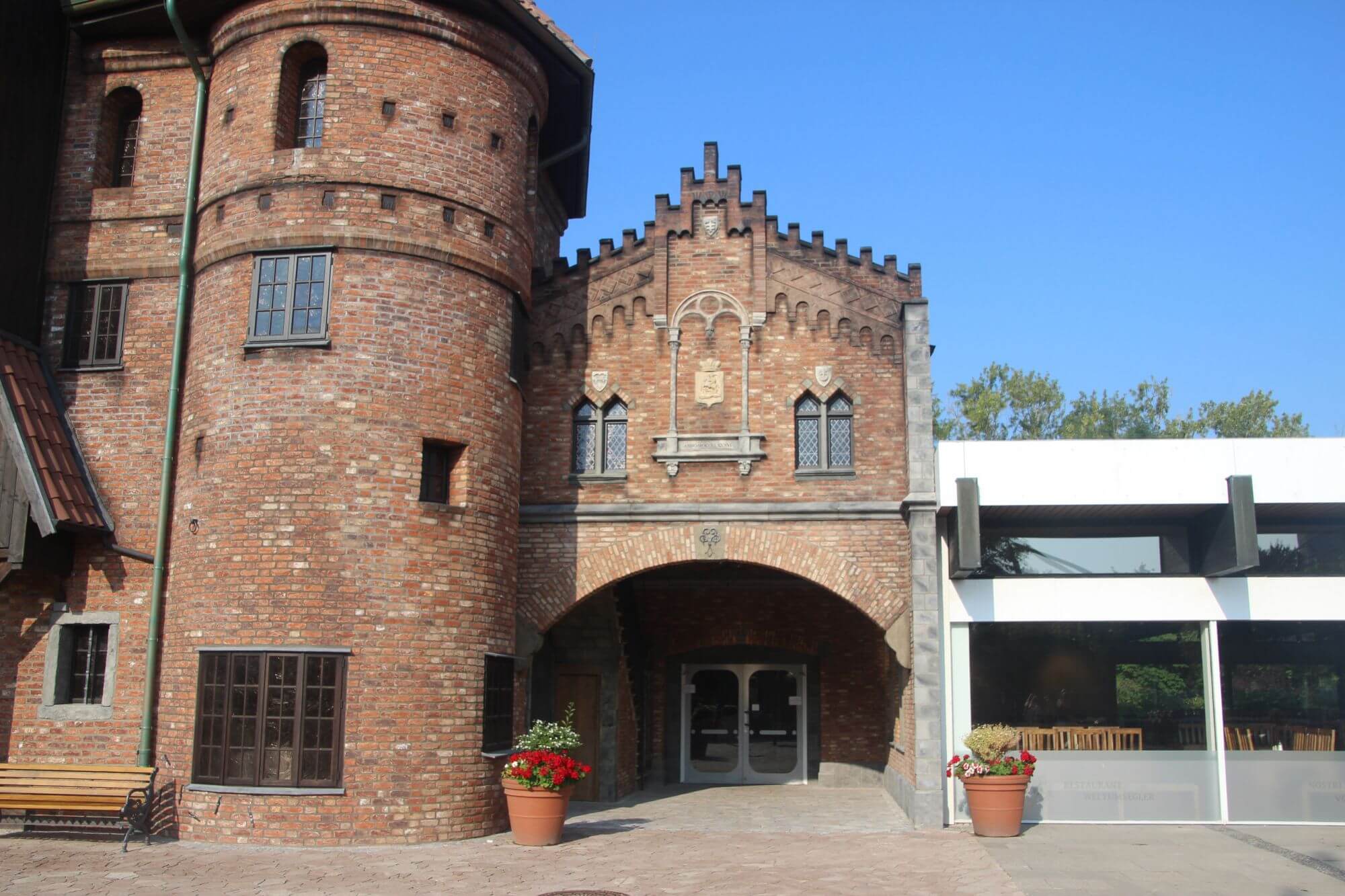
The former capital of Poland, which today is the country’s second largest city, has been a member of the Hanseatic League since 1430. Its name, Krakow, can be traced back to the tribal prince and likely founder of the city, Krak (or Krakus/Gracchus). The city is known primarily for its grand historic architecture reflecting the art of past periods.
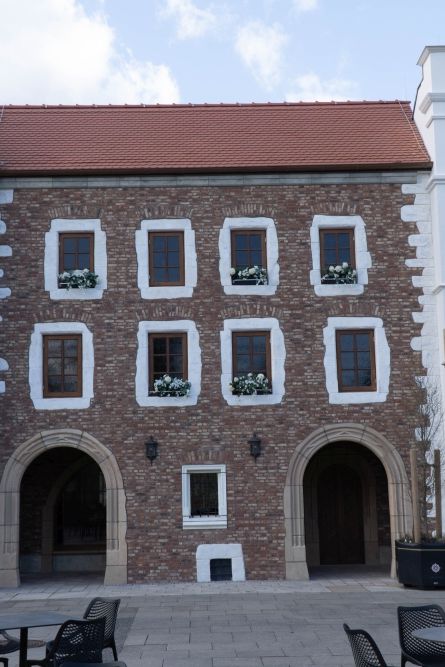
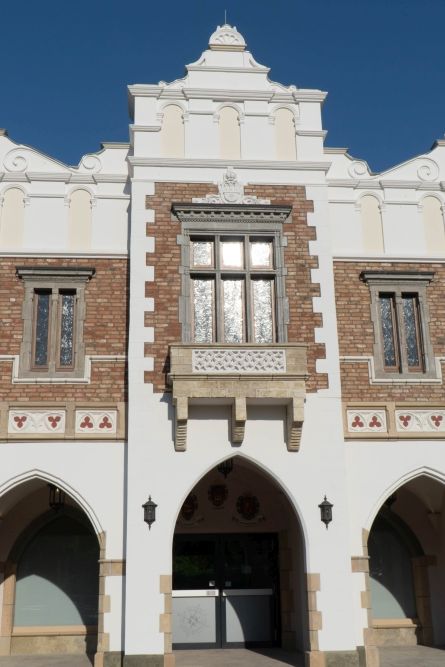
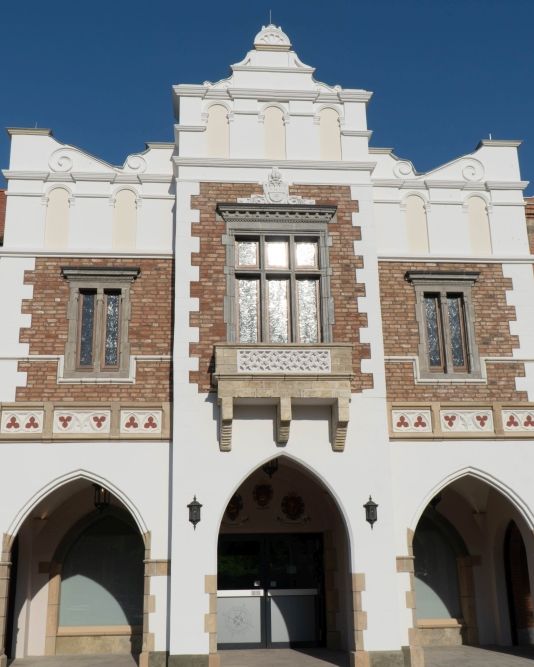
Pijarska 6-8
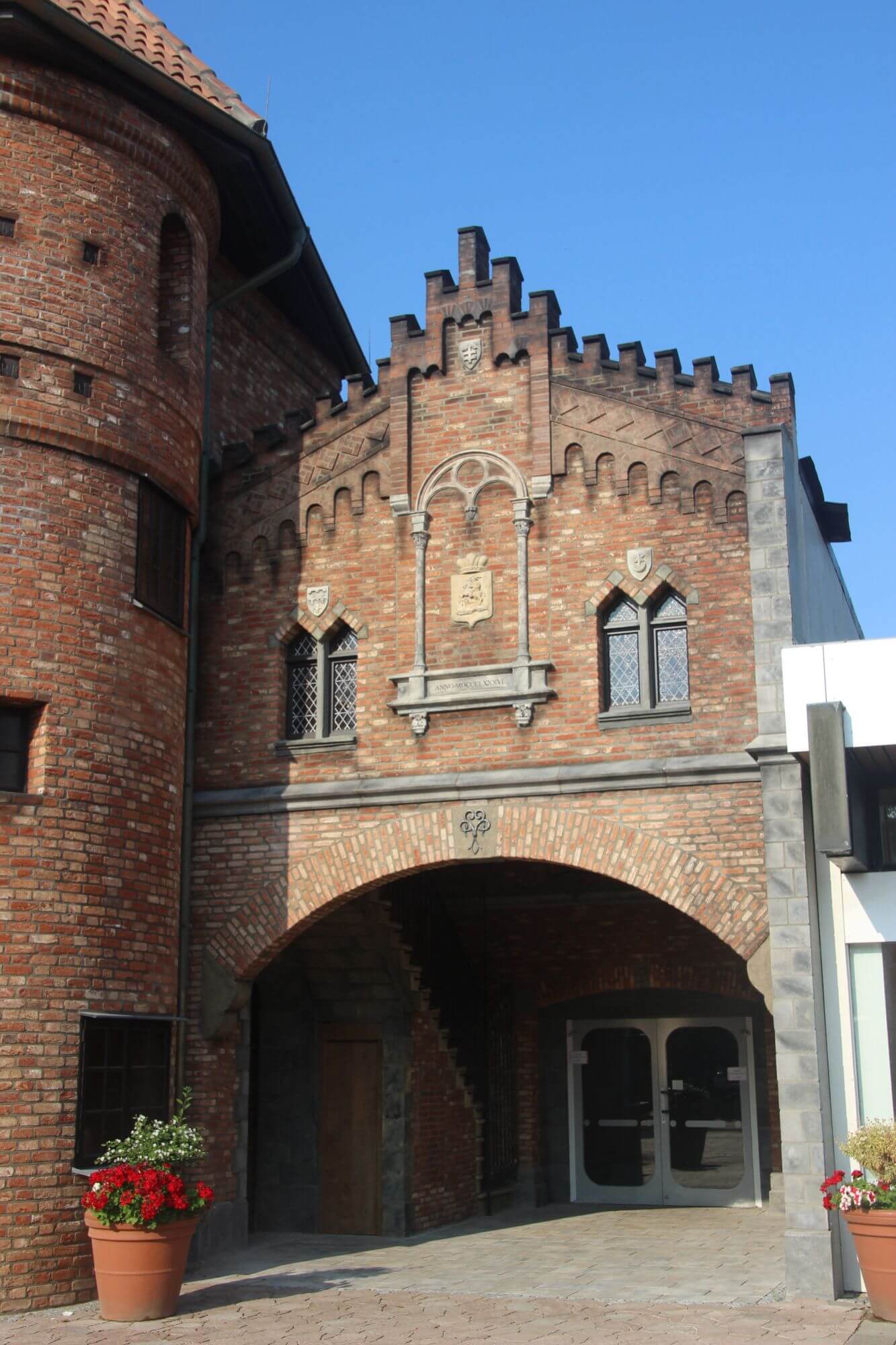
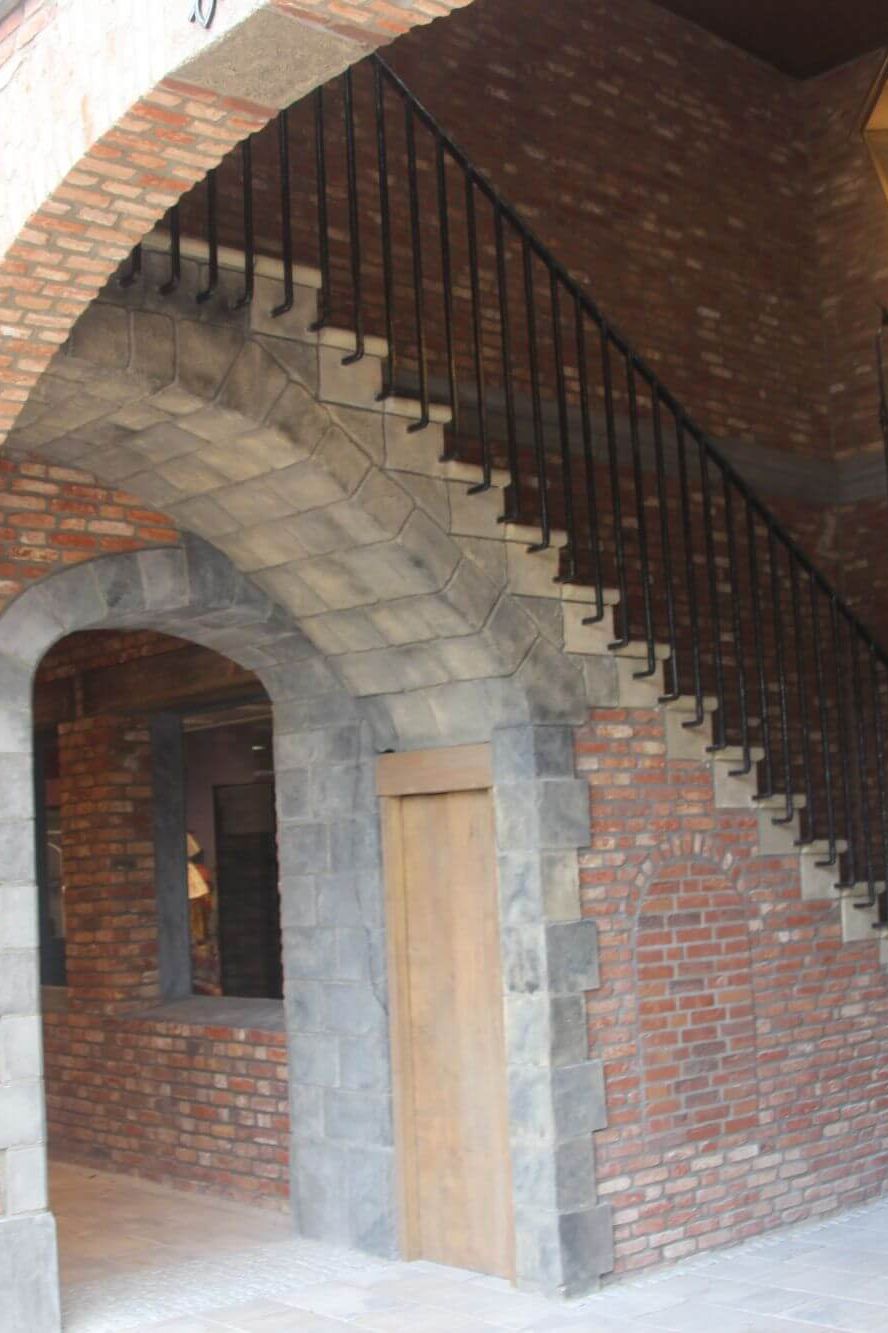
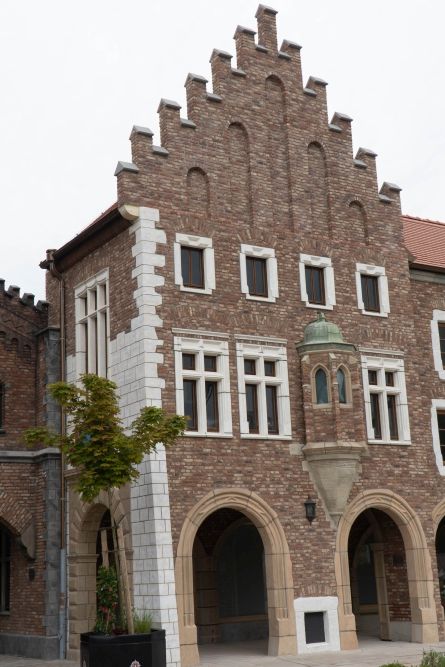
Pijarska Street is one of the few completely preserved streets in Krakow. It used to run along the city wall. Its name derives from the Piarist monastery with its baroque church and dates back to the 19th century. Pijarska Street is home to Poland’s oldest museum, the Czartoryski Museum, founded by Princess Izabella Czartoryska in 1796. It housed the imperial treasury with the crown jewels and an exhibition room where war trophies and paintings were on display. Apart from its art collections the museum also features a bridge that connects it to the building located across the street from the museum.
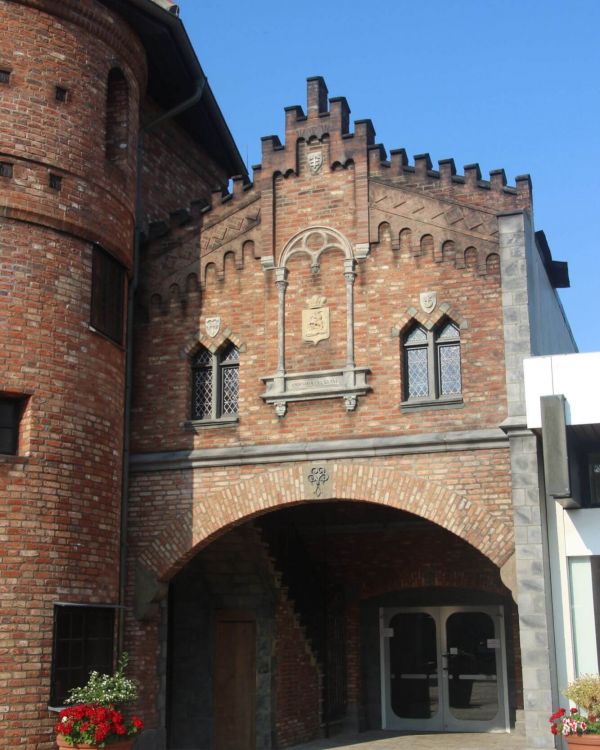
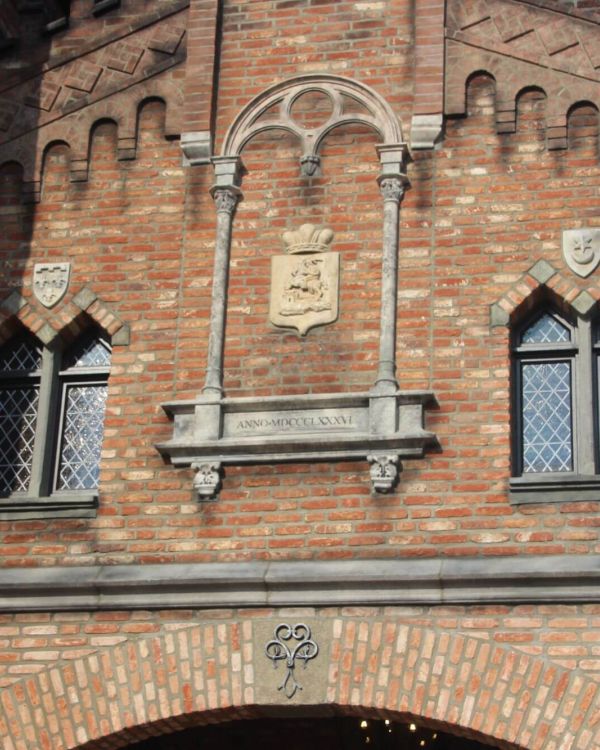
Collegium Maius
The Jagiellonian University was founded in 1364. In 1400, King Wladyslaw II Jagiello acquired the building which from then on housed the university. In the middle of the 15th century it was renamed to “Collegium Maius” and remodelled several times. Buildings were added, and their late Gothic cloisters have been preserved until today. The upper section of the oldest university in Poland housed the professors who lived and worked there. In the lower section they received their students.
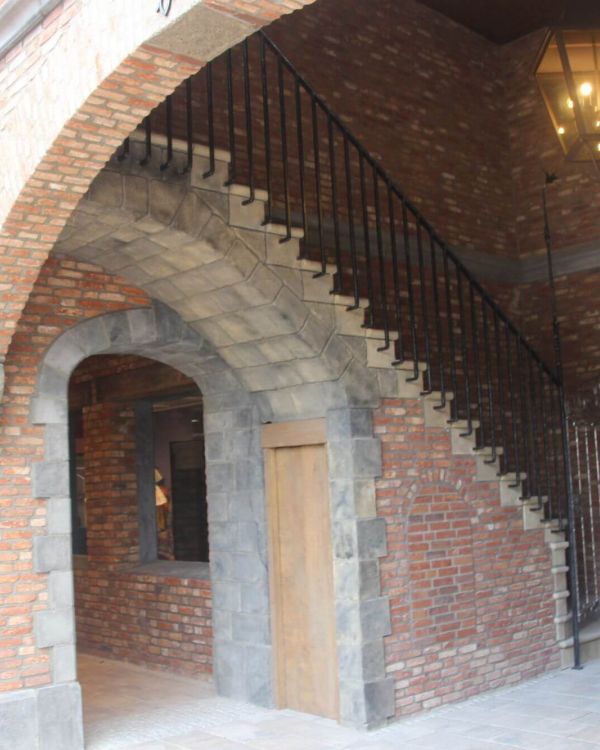
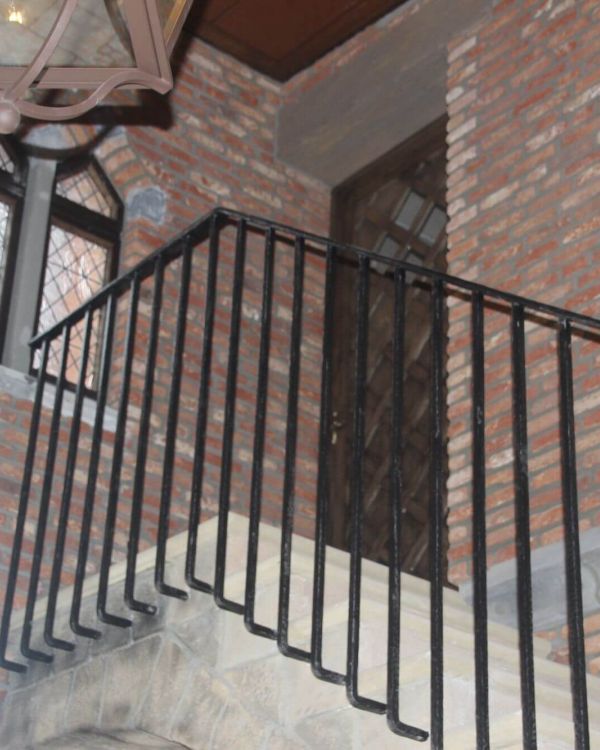
“Muzeum Uniwersytetu“ (Jagiellońska 15)
As part of the “Collegium Maius“ the original buildings belong to the oldest university in Poland. During the 19th century the university was restored in the neo-Gothic style because of the movement of the library of Jagiellonska to the university. The library already left the university in 1949. Due to this, in 1949 the original buildings were restored again to reconstruct the primary late-Gothic architecture.
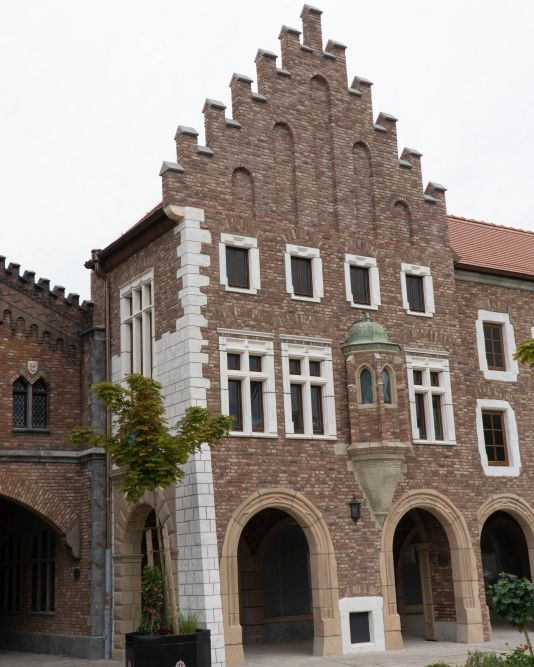
„Muzeum Uniwersytetu Jagiellońskiego“ (Jagiellońska 15)
The original building belongs to the oldest university in Poland. During the 19th century the university was restored in the neo-Gothic style because of the movement of the library of Jagiellonska to the university. The library already left the university in 1949. Due to this, in 1949 the original buildings were restored again to reconstruct the primary late-Gothic architecture.
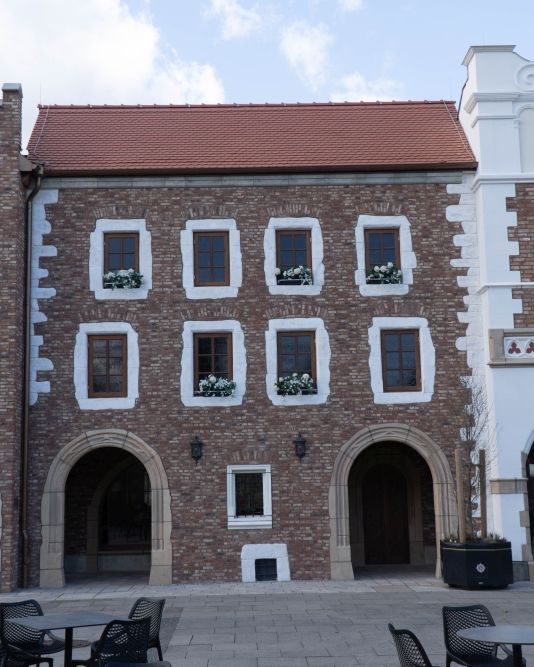
“Sukiennice“ (Rynek Główny 1/3)
The original “Sukiennice“ (Kra-kow Cloth Hall) was built in the Middle Age by King Kasimir the Great. The building was popular for the trade with English and Flemish cloths during the 13th century. The “Sukiennice“ is the oldest trading center in Krakow and still an important example of Renaissance architecture.